🔹 PERFIL CIENTÍFICO Y TÉCNICO EN PROFUNDIDAD
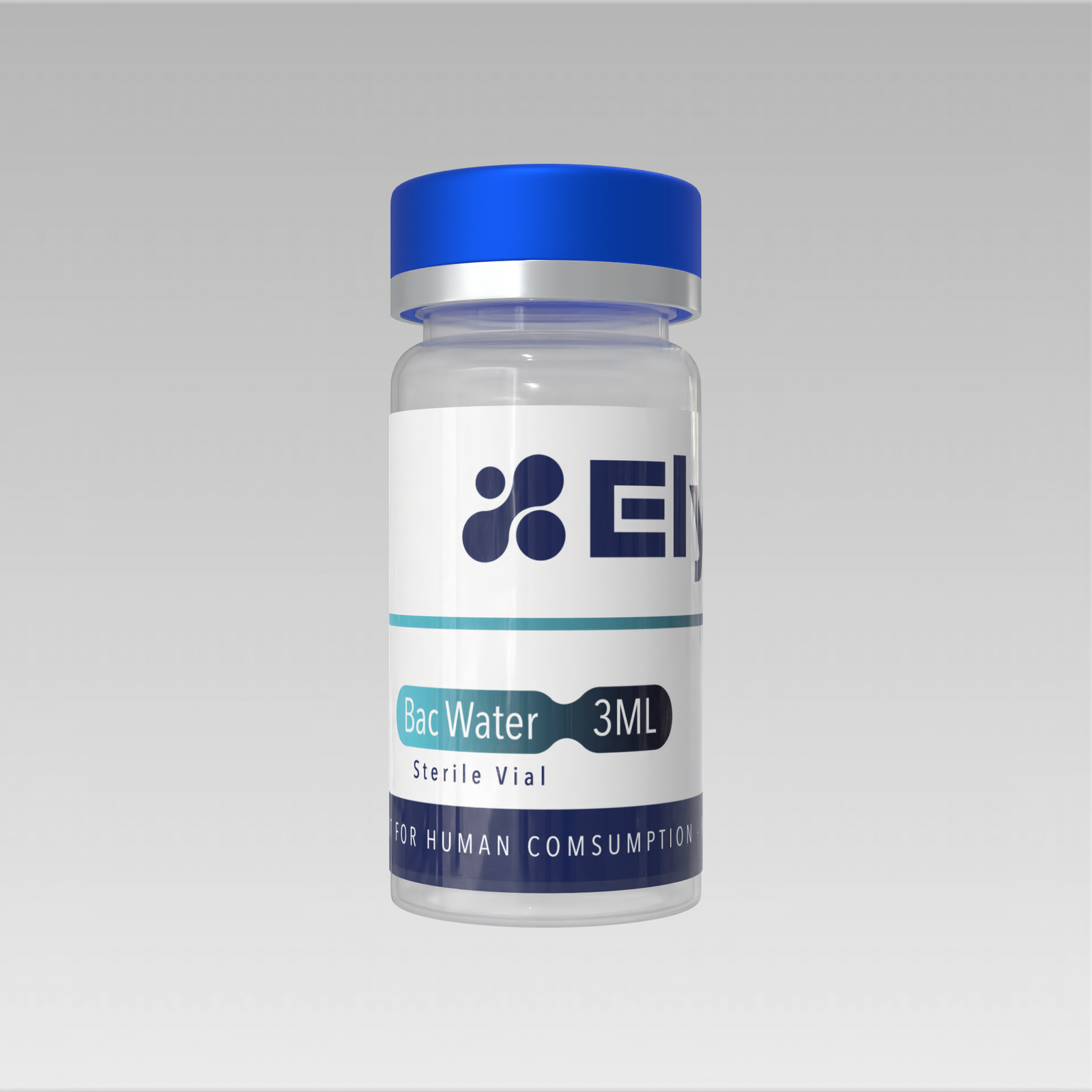
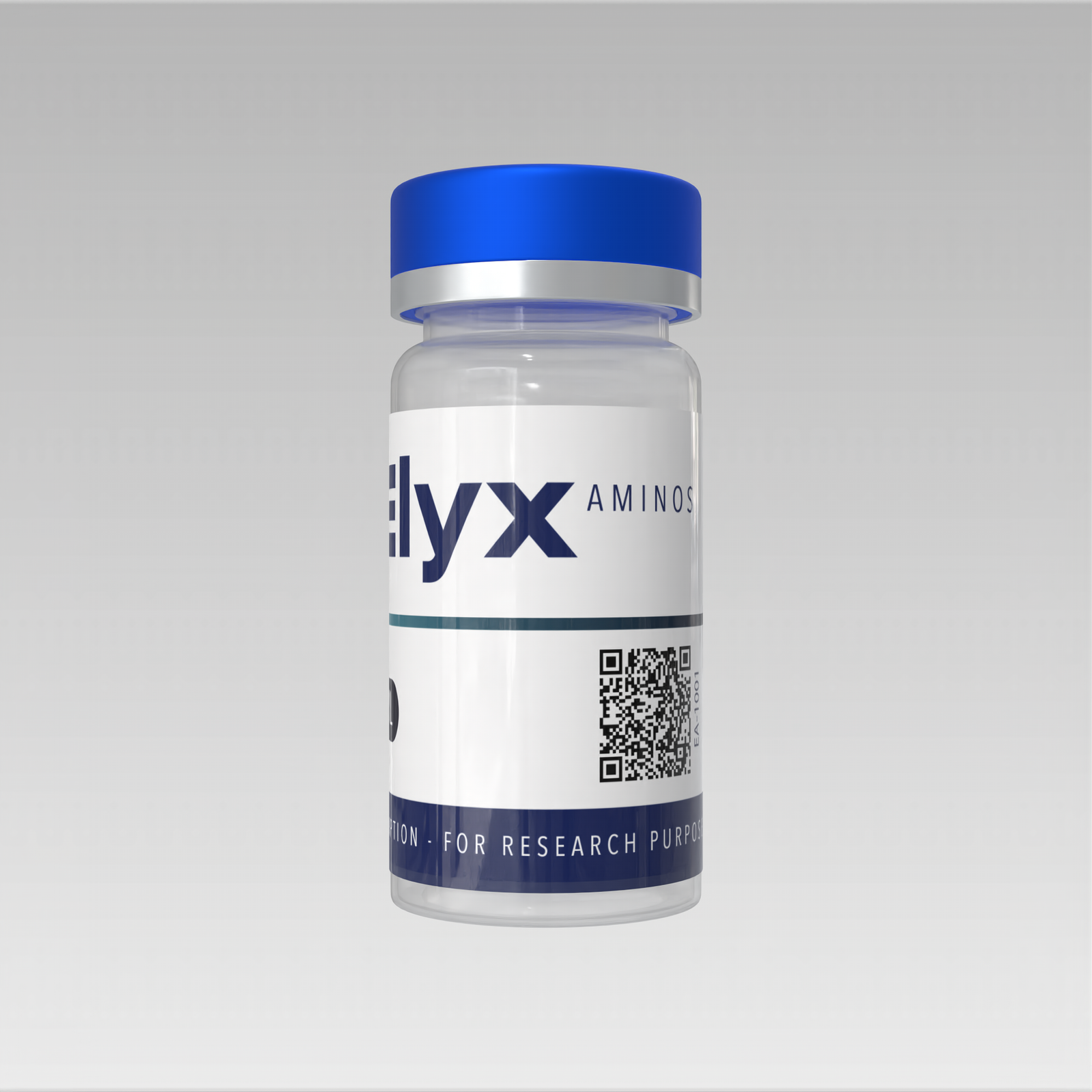
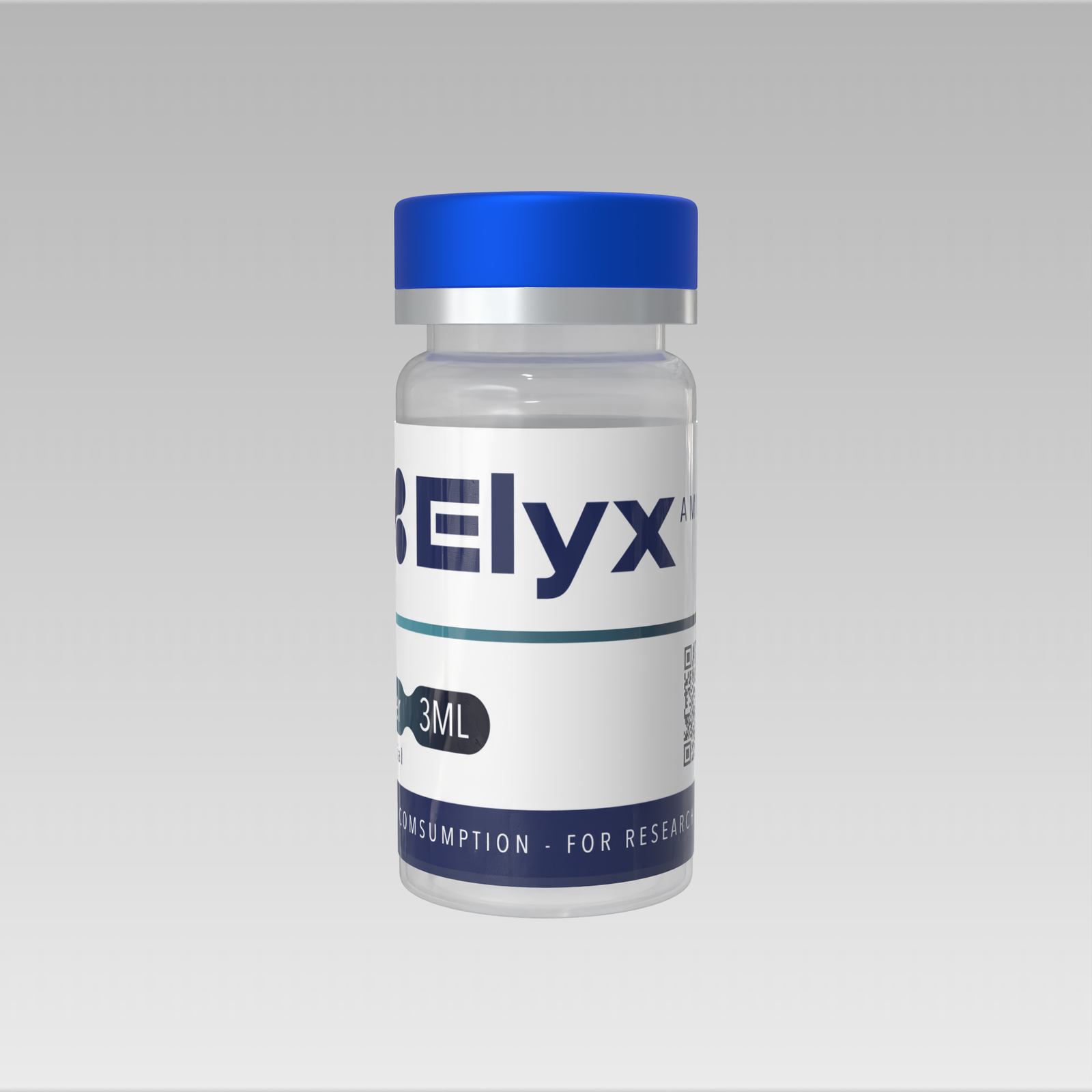
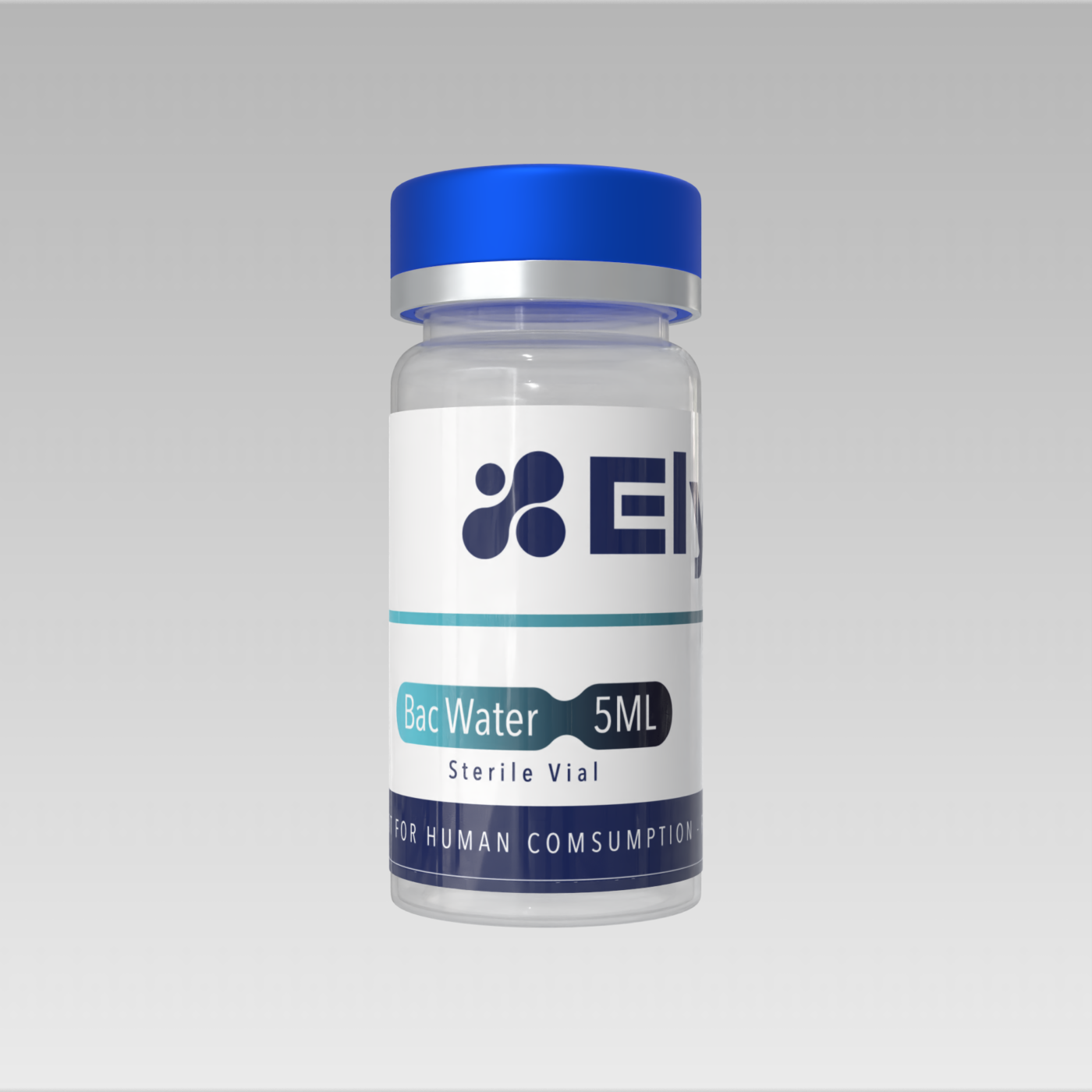
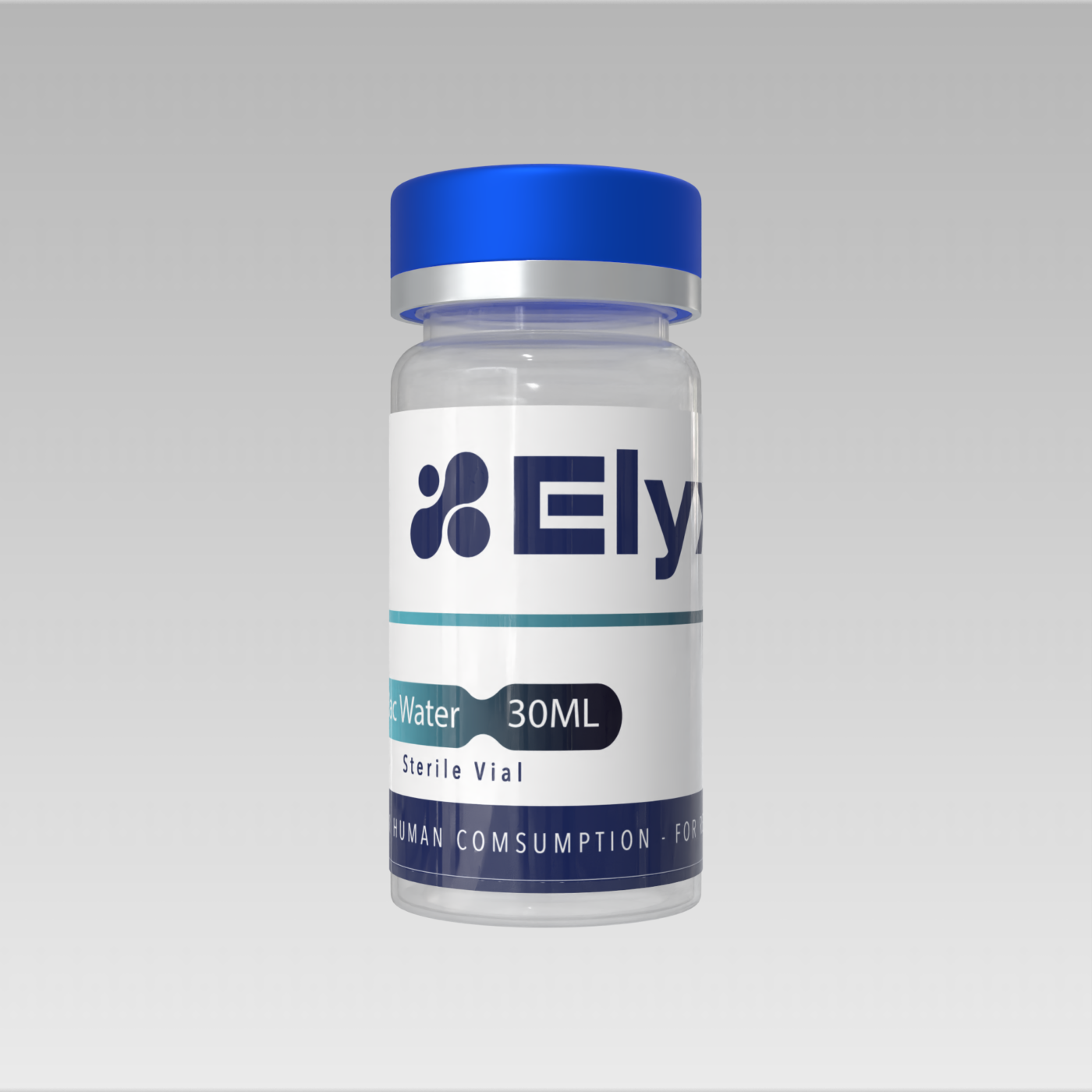
El agua bacteriostática es una solución estéril de agua para inyección (WFI – Water for Injection) que contiene 0.9% de alcohol bencílico como agente bacteriostático. Este diluyente farmacéutico es el estándar de referencia para reconstitución de péptidos liofilizados, proteínas recombinantes y otros compuestos biológicos en investigación preclínica y aplicaciones clínicas.
Composición y Especificaciones:
Componentes:
- Agua para inyección (WFI): 99.1% v/v
- Purificación: destilación o ósmosis inversa + ultrafiltración
- Estándares: USP (United States Pharmacopeia), EP (European Pharmacopoeia)
- Endotoxinas: <0.25 EU/mL (unidades endotoxinas)
- Conductividad: <1.3 μS/cm a 25°C
- Alcohol bencílico: 0.9% v/v (9 mg/mL)
- Función: preservativo antimicrobiano
- Espectro: bactericida gram+/gram-, fungistático
Mecanismo: disrupción membrana celular microbiana
- Estabilidad: efectivo 28 días post-apertura (vial multi-dosis)
Propiedades Fisicoquímicas:
| Parameter |
Especificación |
Método Testing |
| Apariencia |
Transparente, incolora |
Inspección visual |
| pH |
4.5-7.0 (típicamente 5.0-6.0) |
Potenciometría |
| Osmolaridad |
~50 mOsm/L (hipotónica) |
Osmómetro |
| Infertility |
Estéril (ausencia microorganismos) |
USP <71> |
| Endotoxinas bacterianas |
<0.25 EU/mL |
LAL test (Limulus) |
| Heavy metals |
<5 ppm |
ICP-MS |
| Partículas |
USP <788> límites |
Conteo partículas |
Mecanismo Acción Bacteriostático:
Alcohol Bencílico (0.9%):
Actividad Antimicrobiana:
- Bacterias: Inhibición crecimiento S. aureus, E. coli, P. aeruginosa
- Hongos: Fungistático contra C. albicans, Aspergillus spp.
- Concentración crítica: 0.5-1.0% óptimo (balance eficacia/tolerancia)
- Tiempo acción: Reducción >99% carga microbiana 24-48h
Mecanismo Molecular:
- Desnaturalización proteínas membrana: pérdida integridad estructural
- Disrupción gradiente iónico: desacoplamiento fosforilación oxidativa
- Inhibición síntesis ADN: interferencia timidilato sintasa
- Efecto acumulativo: bacteriostático (no lisis inmediata)
Limitaciones:
- NO bactericida completo: No elimina 100% microorganismos (previene proliferación)
- Inefectivo esporas: Bacillus, Clostridium resisten
Vida útil limitada: 28 días post-apertura (crecimiento residual eventual)
🔹 APLICACIONES EN INVESTIGACIÓN DE PÉPTIDOS
1. RECONSTITUCIÓN PÉPTIDOS LIOFILIZADOS
Ventajas Agua Bacteriostática vs Alternativas:
| Diluyente |
Preservativo |
Vida Útil Multi-Dosis |
Compatibilidad Péptidos |
Aplicaciones |
| Agua Bacteriostática |
Alcohol bencílico 0.9% |
28 days |
Excelente |
Primera elección |
| Agua estéril (WFI) |
Ninguno |
24 horas |
Excelente |
Dosis única, uso inmediato |
| Solución salina 0.9% |
Ninguno (típico) |
24-48 horas |
Buena |
Alternativa corta duración |
| Solución salina bacteriostática |
Alcohol bencílico 0.9% |
28 days |
Buena |
Péptidos sensibles osmolaridad |
Consideraciones Selección:
Agua Bacteriostática Óptima Para:
- Viales multi-dosis: extracciones múltiples durante 28 días
- Protocolos dosificación crónica: administraciones diarias/semanales
- Prevención contaminación: investigación no-GMP (laboratorios investigación)
- Estabilidad péptidos: mayoría péptidos sintéticos compatibles
Evitar Agua Bacteriostática Si:
- Administración neonatos/infantes: toxicidad potencial alcohol bencílico (gasping syndrome)
- Inyección intratecal/epidural: neurotoxicidad alcohol bencílico
- Volúmenes grandes (>30 mL dosis): exposición excesiva preservativo
- Péptidos sensibles: algunos raros casos incompatibilidad (verificar)
2. PROTOCOLO ESTÁNDAR RECONSTITUCIÓN CON AGUA BACTERIOSTÁTICA
Step-by-Step Procedure:
Preparación Pre-Reconstitución:
- Materiales necesarios:
- Vial péptido liofilizado
- Vial agua bacteriostática
- Jeringas estériles (1-10 mL según volumen)
- Agujas (22-25G, longitud apropiada)
- Toallitas alcohol 70% isopropílico
- Contenedor desecho sharps
- Ambiente:
- Superficie limpia desinfectada
- Ideal: campana flujo laminar (no esencial investigación básica)
- Lavado manos: técnica aséptica estricta
- Minimizar corrientes aire (ventanas cerradas)
Ejecución Reconstitución:
- Equilibrio temperatura:
- Vial péptido: temperatura ambiente 10-15 minutos
- Agua bacteriostática: temperatura ambiente (evitar inyección fría)
- Desinfección:
- Clean the stoppers on both vials with 70% alcohol
- Dejar secar 30 segundos (evaporación alcohol completa)
- Cálculo volumen:
- Determinar concentración deseada: mg péptido / mL diluyente
- Ejemplo: 5mg péptido + 2.5mL agua = 2mg/mL
- Verificar matemática antes proceder
- Extracción agua bacteriostática:
- Insertar aguja vial agua con jeringa vacía
- Inyectar volumen aire igual volumen agua extraer (prevenir vacío)
- Invertir vial, extraer volumen calculado agua
- Retirar aguja, eliminar burbujas aire (golpear jeringa suavemente)
- Inyección en vial péptido:
- Insertar aguja en ángulo 45° contra pared interna vial péptido
- Inyectar LENTAMENTE (30-60 segundos) dirigiendo flujo a pared
- CRÍTICO: NO inyectar chorro directo sobre polvo liofilizado
- Razón: turbulencia rompe estructura terciaria péptidos delicados
- Liberar presión: retirar aguja
- Disolución:
- Do not shake vigorously ni vortex (desnaturalización)
- Rotar vial SUAVEMENTE movimiento circular 30-90 segundos
- Permitir reposo 2-5 minutos (disolución completa)
- Inspección: solución clara, sin partículas/precipitados
- Etiquetado:
- Concentración: ej. “5mg/2.5mL = 2mg/mL”
- Fecha reconstitución: DD/MM/AAAA
- Fecha expiración: +28 días (agua bacteriostática)
- Nombre péptido: identificación clara
- Almacenamiento inmediato:
- Refrigerar 2-8°C (salvo indicación contraria específica péptido)
- Proteger luz: vial ámbar o envolver aluminio
- Posición: vertical, evitar caídas
Errores Comunes Evitar:
❌ Inyectar agua directamente sobre polvo: Causa turbulencia, desnaturalización
✅ Slowly inject through the vial wall
❌ Agitar vigorosamente para disolver rápido: Rompe enlaces péptido
✅ Rotar suavemente, permitir tiempo disolución
❌ Usar agua caliente acelerar disolución: Degrada péptidos termolábiles
✅ Temperatura ambiente siempre
❌ Reutilizar agujas/jeringas: Contaminación cruzada
✅ Materiales estériles nuevos cada procedimiento
❌ Almacenar temperatura ambiente tras reconstitución: Degradación acelerada
✅ Refrigerar 2-8°C inmediatamente
3. ESTABILIDAD PÉPTIDOS EN AGUA BACTERIOSTÁTICA
Factores Afectan Estabilidad:
Temperatura:
- 2-8°C (refrigerador): Óptimo mayoría péptidos, degradación minimizada
- -20°C (congelador): Algunos toleran, otros precipitan/pierden actividad
- Temperatura ambiente: Degradación acelerada, evitar >8 horas
Luz:
- Fotosensibilidad: Trp, Tyr, Met especialmente vulnerables
- Protección: viales ámbar o envolver aluminio opaco
- Almacenamiento: cajón oscuro refrigerador
pH:
- Agua bacteriostática: pH 5.0-6.0 típicamente
- Péptidos básicos (Arg, Lys): estables pH ácido-neutro
- Péptidos ácidos (Asp, Glu): preferir pH ligeramente alcalino
- Ajuste pH: ocasionalmente necesario (HCl/NaOH diluted, con precaución)
Oxidación:
- Residuos susceptibles: Met, Cys, Trp
- Prevención: minimizar exposición aire (viales llenos, cap tight)
- Antioxidantes: raramente añadidos investigación (complejidad formulación)
Ciclos Congelación-Descongelación:
- Primera congelación: Pérdida actividad 10-15% típica
- Segundo ciclo: Pérdida adicional 15-25%
- Tercer ciclo+: Degradación >40%, evitar
- Mejor práctica: Alícuotas individuales (evitar múltiples ciclos)
Datos Estabilidad Péptidos Comunes:
| Peptide |
Temperatura |
Diluyente |
Estabilidad |
Notes |
| BPC-157 |
36-46°F |
Bac water |
14-21 days |
Resistente, estable |
| TB-500 |
36-46°F |
Bac water |
21-30 días |
Muy estable |
| CJC-1295 (sin DAC) |
36-46°F |
Bac water |
14-21 days |
Moderadamente estable |
| Ipamorelin |
36-46°F |
Bac water |
21-30 días |
Estable |
| Semaglutide |
36-46°F |
Bac water |
28-56 días |
Alta estabilidad |
| PT-141 |
36-46°F |
Bac water |
30-45 días |
Estable |
| hCG |
36-46°F |
Bac water |
30-60 days |
Glicoproteína, estable |
🔹 ALMACENAMIENTO Y MANEJO
Almacenamiento Viales Sin Abrir:
Agua Bacteriostática Comercial:
- Temperatura: Ambiente controlada (15-30°C) aceptable
- Ideal: Refrigeración 2-8°C (prolonga vida útil)
- Avoid Congelación (precipitación posible)
- Vida útil: 24-36 meses sellado original (verificar etiqueta)
- Condiciones: Área seca, alejado luz directa, sellado intacto
Almacenamiento Post-Apertura:
Período Uso Seguro:
- 28 days estándar industria (crecimiento microbiano residual eventual)
- Refrigeración 2-8°C obligatoria post-apertura
- Etiquetado fecha apertura esencial
- Desechar tras 28 días incluso si volumen restante
Señales Contaminación (Desechar Inmediatamente):
- Turbidez o cambio color
- Partículas flotantes, sedimento
- Cambio olor (olor químico vs inodoro normal)
- Crecimiento visible (película, colonias)
Prevención Contaminación:
- Técnica aséptica estricta:
- Desinfección tapón CADA acceso
- Agujas/jeringas estériles nuevas CADA vez
- Evitar tocar partes estériles (punta aguja, tapón interno)
- Minimize exposiciones aire:
- Extraer volumen necesario rápidamente
- Reemplazar tapa protectora aguja inmediatamente
- No dejar vial destapado
- Un vial, un péptido:
- Nunca reutilizar agua bacteriostática entre diferentes péptidos
- Contaminación cruzada péptidos residuales
🔹 PREGUNTAS FRECUENTES INVESTIGACIÓN
P: ¿Puedo usar agua de grifo hervida/destilada casera? R: NO. Absolutamente contraindicado.
- Endotoxinas: no eliminadas por ebullición (termoestables)
- Esterilidad: no garantizada (esporas resisten ebullición)
- Pirogénicos: contaminantes potenciales (reacciones febriles)
- Calidad inconsistente: sin validación, riesgo infección
- Riesgo: Infección, abscesos, sepsis potencialmente fatal
P: ¿Agua bacteriostática caducada (>28 días) es utilizable? R: NO recomendado para investigación rigurosa.
- Crecimiento microbiano: posible incluso con preservativo
- Actividad preservativo: puede disminuir >28 días
- Riesgo contaminación: incrementa temporalmente
- Si emergencia absoluta: inspección visual exhaustiva, pero riesgo asumido
P: ¿Puedo mezclar múltiples péptidos en misma solución agua bacteriostática? R: Generalmente NO recomendado.
- Interacciones péptido-péptido: posible agregación, precipitación
- Estabilidad individual: puede verse comprometida
- Dosificación: complejidad cálculo si ratios variables
- Excepción: combinaciones validadas explícitamente (ej: CJC+Ipamorelin en algunos protocolos)
P: ¿Qué hacer si péptido no disuelve completamente? R: Evaluación paso-a-paso:
- Tiempo adicional: permitir 10-15 min reposo
- Rotación suave: continuar movimiento circular
- Temperatura: verificar no excesivamente frío
- Volumen insuficiente: añadir más agua si péptido altamente concentrado
- Precipitación: si persiste, puede indicar péptido degradado o formulación incorrecta
- Consulta: contactar proveedor si problema persiste
P: ¿Alcohol isopropílico 70% es equivalente a alcohol bencílico en agua? R: NO. Completamente diferente.
- Alcohol isopropílico: desinfectante EXTERNO (piel, superficies), NUNCA inyectar
- Alcohol bencílico: preservativo farmacéutico, seguro inyección (concentraciones apropiadas)
- Confusión: ambos “alcohol” pero química/toxicidad radicalmente diferente
🔹 REFERENCIAS Y ESTÁNDARES
- United States Pharmacopeia (USP) <1231> “Water for Pharmaceutical Purposes”
- FDA 21 CFR Part 211 “Current Good Manufacturing Practice for Finished Pharmaceuticals”
- European Pharmacopoeia (Ph. Eur.) 0169 “Water for Injections”
- Gershanik J, et al. (1982) “The gasping syndrome and benzyl alcohol poisoning” – The New England Journal of Medicine 307(22):1384-1388. [PubMed: 7133084]
- WHO (2006) “Guide to Good Storage Practices for Pharmaceuticals” – Technical Report Series No. 908
- USP General Chapter <797> “Pharmaceutical Compounding—Sterile Preparations”
- Reynolds JEF (1996) “Martindale: The Extra Pharmacopoeia” 31st ed. – Royal Pharmaceutical Society, London
Research material only. This product is intended for scientific research in controlled laboratory settings only. It is not a drug. Not for human or animal use, not for diagnostic or therapeutic use.