
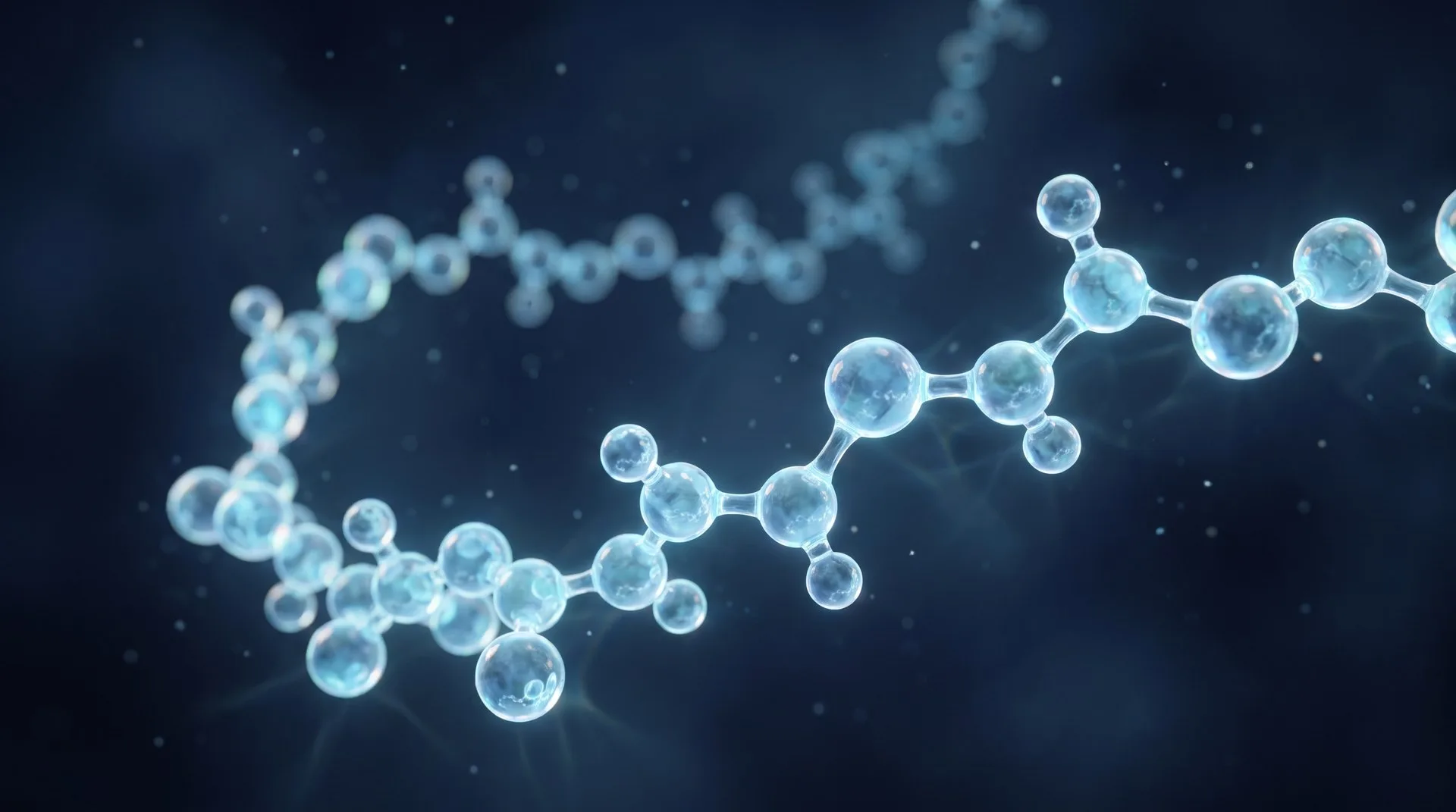
Peptides have become one of the most promising classes of compounds in biomedical research, health optimization and longevity. From research laboratories to wellness clinics around the world, these compounds are transforming the way we understand human biology.
In this complete guide we will explore what peptides are, how they work, their main categories and why quality and verification are essential when choosing a supplier.
Definition: What Is a Peptide?
A peptide is a short chain of amino acids joined by peptide bonds. Unlike proteins, which contain 50 or more amino acids, peptides are generally made up of between 2 and 50 amino acids. This smaller structure allows them to be absorbed more readily by the body and to act as highly specific signalling molecules.
The human body naturally produces thousands of peptides that regulate critical functions such as metabolism, tissue repair, immune response, growth and cell communication. Research peptides are synthetic versions designed to study and potentially replicate these biological functions.
How Do Peptides Work?
Peptides act as chemical messengers in the body. They bind to specific receptors on the cell surface, triggering precise biological responses. This “lock and key” mechanism gives them high specificity, meaning that each peptide tends to act on one particular system or process.
Por ejemplo:
- GLP-1 agonists (such as Semaglutide) bind to specific receptors in the pancreas and brain to regulate appetite and glucose metabolism.
- BPC-157 interacts with multiple signalling pathways involved in tissue repair and gastrointestinal protection.
- Growth hormone secretagogues (such as CJC-1295 + Ipamorelin) stimulate the pituitary gland to increase natural GH release.
Principales Categorías de Péptidos
1. Optimización Metabólica
This category includes compounds focused on appetite control, glucose regulation and body-composition optimization. They are among the most researched peptides today.
| Peptide | Función Principal | Mechanism |
|---|---|---|
| Semaglutide | Agonista GLP-1, control de apetito | Binds GLP-1 receptors in the brain and pancreas |
| Tirzepatide | Dual GIP/GLP-1, optimización metabólica | Acts on two hormonal pathways simultaneously |
| GLP-3 Reta | Triple agonista, máxima eficacia | Activa receptores GLP-1, GIP y glucagón |
| AOD-9604 | Fragmento HGH, movilización lipídica | Stimulates lipolysis without effects on glucose |
| 5-Amino-1MQ | Inhibidor NNMT | Optimiza metabolismo energético celular |
2. TISSUE RECOVERY AND REGENERATION
These peptides are associated with tissue regeneration, injury repair and gastrointestinal health. They are widely studied in sports medicine and recovery contexts.
- BPC-157: Derived from a gastric protein, researched for its repair properties in connective tissue, muscle, tendon and intestinal mucosa.
- TB-500: Thymosin beta-4 fragment, associated with deep regeneration, flexibility and reduced inflammation.
- GHK-Cu Copper peptide with anti-ageing and skin regeneration properties, stimulating collagen and elastin.
- KPV: Anti-inflammatory tripeptide derived from the alpha-MSH hormone, researched for its effect on gut health.
3. Rendimiento y Longevidad
This category covers compounds focused on mitochondrial function, growth hormone release and long-term cellular health.
- CJC-1295 No DAC + Ipamorelin: Synergistic combination that stimulates the natural release of growth hormone.
- MOTS-C: Mitochondrial peptide that improves cellular energy efficiency and metabolism.
- Tesamorelin: GHRH analogue focused on reducing visceral fat.
- NAD+: Essential cofactor for mitochondrial function and cellular longevity.
Why Does Purity Matter?
The quality of a peptide is as important as the compound itself. The current market faces critical problems that compromise both the efficacy and the safety of products:
- Subdosificación sistemática: Products labelled “5mg” that actually contain only 2–3mg.
- Ausencia de verificación independiente: Most suppliers do not provide certificates of analysis from external laboratories.
- Contaminación: Risk of undetected bacterial presence, endotoxins or heavy metals.
- Inconsistencia entre lotes: Significant variation in purity and potency from batch to batch.
Quality Standards: What You Should Demand
Certificado de Análisis (COA) de laboratorio independiente:
- HPLC analysis (High-Performance Liquid Chromatography) to confirm identity and purity.
- Mass spectrometry to verify the molecular structure.
- Pruebas de esterilidad y endotoxinas.
- Detección de metales pesados.
- Potency analysis to confirm the stated dosage.
Presentación profesional:
- Viales de vidrio borosilicato Tipo I (estándar farmacéutico).
- Sellos a prueba de manipulación.
- Clear labelling with batch number and date.
The Future of Peptides in 2026
Peptide research continues to accelerate. The main trends include:
- Agonistas multi-receptores: Compuestos como GLP-3 Reta (triple agonista) representan la nueva frontera en optimización metabólica.
- Péptidos mitocondriales: MOTS-C y compuestos similares abren nuevas vías en longevidad celular.
- Combinaciones sinergísticas: Protocols that combine multiple peptides for enhanced effects.
- Mayor regulación y transparencia: Demand for independent verification is growing worldwide.
Conclusion
Peptides represent one of the most exciting areas of modern science. However, their potential only materializes when quality, purity and verification are prioritized.
At Elyx Aminos, every batch is verified by Freedom Diagnostics Testing, an independent U.S. laboratory, with complete certificates of analysis and verifiable QR codes. Because in peptide science, trust is built on data, not on promises.
ELYX AMINOS
Premium Research Compounds · Verified Purity · Rigorous Science
www.elyxaminos.com · partnerships@elyxaminos.com · influencers@elyxaminos.com
Miami, Florida, USA.